★★★★★
From the very first contact I felt in safe hands. The staff shows exceptional attention and professionalism at every step — methods are modern and well grounded.
Modern diagnostics and comprehensive approach to male and female infertility.
Until quite recently this word sounded like a verdict to many. Today it is a solvable medical problem.
Infertility can affect both men and women. The most important thing is to find the cause and start the right treatment.
Over the years of the Horev Medical Center clinic, more than 1000 healthy children have been born.
Left — reasons to visit. Right — diagnostic methods.
Patient opinions from public platforms.
From the very first contact I felt in safe hands. The staff shows exceptional attention and professionalism at every step — methods are modern and well grounded.
Excellent private clinic — a clear example of how private institutions now exceed public ones in service quality. I consider it one of the best clinics in Tashkent.
I came with a prolonged bronchitis — they quickly prescribed the right treatment. Four days in inpatient under constant supervision. Dietary food, pleasant staff, good soundproofing.
Specialty doctors providing care in this area.

Urologist, andrologist, surgeon

Gynecologist-endocrinologist, colposcopist
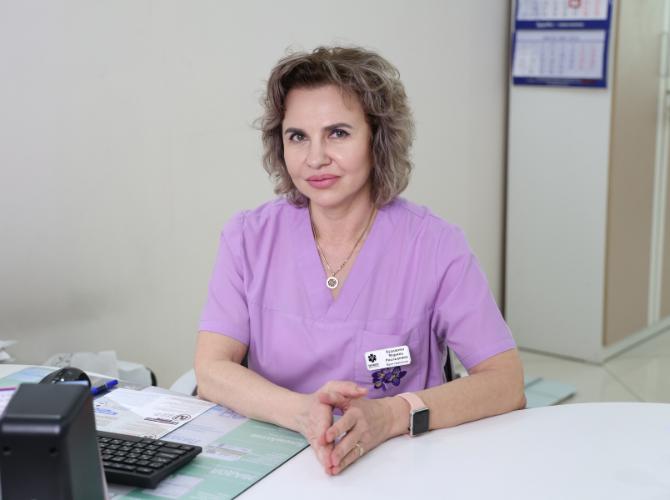
Gynecologist-endocrinologist

Gynecologist-endocrinologist

Urologist-andrologist
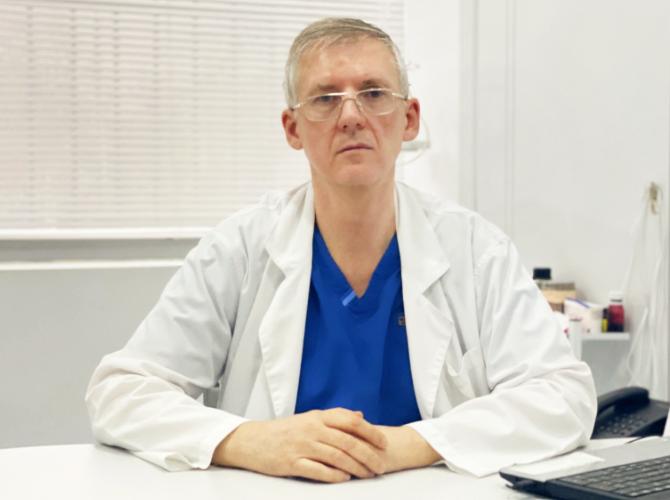
Urologist-andrologist
All department doctors hold specialty credentials and undergo regular training.
All 40+ doctors →A reproductive specialist deals with issues related to fertility disorders, pregnancy planning, and the assessment of reproductive health in both men and women. At Horev Medical Clinic, consultations are provided for patients experiencing difficulties conceiving, as well as for those who have had inflammatory conditions or hormonal disorders.
Reproductive health is influenced by age, lifestyle, underlying medical conditions, and hormonal balance. If complaints are present, both partners are recommended to undergo evaluation. It is advisable to consult a specialist in the following situations:
• Pregnancy does not occur within one year of regular sexual activity without contraception. In such cases, infertility testing using laboratory and instrumental diagnostic methods is required.
• Menstrual cycle disorders, lower abdominal pain, or changes associated with hormonal imbalance occur. Such symptoms may indicate a gynecological condition.
• Difficulties with male fertility are observed, including changes in semen parameters. A semen analysis for infertility assessment and additional examinations are performed to evaluate the condition.
• There is a history of inflammatory diseases, surgical interventions, or infections affecting the pelvic organs. These factors may influence natural fertilization.
After the initial consultation, the reproductive specialist determines the necessary scope of examinations and, if required, refers patients to related specialists. All decisions are made only after obtaining objective examination results.
Reproductive health depends on hormonal balance, age, lifestyle, and the overall well-being of patients. The likelihood of pregnancy can be affected by chronic inflammatory conditions, endocrine disorders, and previous surgeries.
In women, the condition of the pelvic organs and the patency of reproductive structures play an important role. Male fertility may be affected by changes in semen quality and disorders of spermatogenesis. The following factors may influence the ability to conceive:
• Disorders of the endocrine system and changes in hormone levels. Such processes may affect ovulation and semen quality.
• Previous inflammatory diseases of the pelvic organs. In some cases, the vagina, uterine structures, and fallopian tubes may be involved.
• Reduced semen quality, characterized by decreased sperm activity or sperm count. Even a single poorly motile sperm cell may reduce the likelihood of natural conception.
• Genetic or secretory factors affecting the function of the reproductive system. In such situations, additional genetic testing may be required.
After the examination is completed, specialists help patients manage risk factors and determine the most appropriate follow-up strategy. All information is provided in a clear and understandable manner without excessive medical terminology.
The question of how to achieve pregnancy requires a comprehensive assessment of both partners. The reasons for the absence of pregnancy may be associated with hormonal disorders, inflammatory diseases, and age-related changes.
To identify the causes, specialists use laboratory and instrumental diagnostic methods. Previous examination results and the overall health condition of the patients are also taken into account.
The most common causes of conception difficulties include:
• Ovulation disorders and hormonal imbalance. Such conditions may require long-term monitoring.
• Inflammatory diseases of the pelvic organs and previous infections. In some cases, a combined infertility factor develops.
• Male reproductive disorders associated with changes in semen quality or problems affecting ejaculation. A semen analysis is performed to clarify the condition.
• Changes affecting the endometrium and uterine structures. In such situations, timely infertility diagnosis is particularly important.
After the examination, a further follow-up strategy is determined. In some cases, patients may be advised to consult related specialists, including a gynecologist.
Infertility diagnosis includes an assessment of the reproductive health of both partners. Laboratory tests, imaging methods, and functional evaluations are used to obtain an objective understanding of the condition.
Modern diagnostic methods make it possible to identify disorders even when no pronounced symptoms are present. All examinations are performed step by step and only when indicated. The following methods may be used during the evaluation:
• Laboratory testing, including blood analysis and biochemical profiling. These methods help assess the function of the endocrine system.
• Examination of the pelvic organs using ultrasound diagnostics. In some cases, an abdominal ultrasound approach may be used.
• Evaluation of semen quality and tests related to male fertility. If necessary, a semen analysis for infertility assessment is performed.
• Examinations aimed at excluding inflammatory processes and hidden infections. Smears and other diagnostic materials may be used for this purpose.
After the evaluation is completed, specialists explain the results and discuss the next stages of follow-up. Repeat examinations may be recommended when necessary to monitor changes over time.
Infertility testing helps evaluate hormonal function, identify inflammatory changes, and determine possible causes of impaired fertility. Laboratory diagnostics are used for both women and men.
During the evaluation, tests may include hormonal profile assessment, infection screening, and semen analysis. The effectiveness of previous treatment or monitoring may also be evaluated.
Infertility treatment is initiated after a complete examination and assessment of the causes of impaired fertility. The management strategy depends on the patient's age, associated medical conditions, and the duration of infertility.
Treatment for female infertility may include correction of hormonal disorders, management of inflammatory processes, and restoration of reproductive system functions. In men, semen parameters and possible vascular disorders are evaluated.
The following approaches are commonly used in modern practice:
• Correction of factors affecting fertility, including lifestyle and dietary habits. This approach helps improve the effectiveness of further treatment and monitoring.
• Medical treatment of infertility in the presence of hormonal or inflammatory disorders. All medications are prescribed only after a comprehensive examination.
• Methods aimed at restoring reproductive function in both men and women. In certain cases, assisted fertilization techniques may be used.
• Application of assisted reproductive technologies, including extracorporeal procedures when indicated. Such decisions are made after a comprehensive assessment of the couple’s condition.
After the evaluation is completed, specialists determine the most appropriate follow-up strategy. The approach remains individualized for each patient and takes into account the specifics of the particular situation.
At Horev Medical Center, consultations with a reproductive specialist are available for patients experiencing various fertility-related concerns. Specialists evaluate examination results and help identify possible causes of conception difficulties.
Our infertility treatment services in Tashkent include modern methods of reproductive diagnostics and monitoring. Special attention is given to preserving reproductive potential and supporting family planning goals.
Submit a request — the desk will arrange a convenient time and specialist for your case.