Insights from our specialists, treatment updates, clinic news and patient recommendations.

Genetics and sleep schedule are linked, scientists say
Russian Academy scientists: the ability to wake up easily is largely tied to genetics. Nutritionists add that spinach, chocolate, and an apple help you wake up.
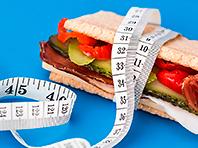
Switching to a low-calorie diet won't make you live longer, experts say
A rodent experiment: lifespan remained the same even after diet changes — fat tissue has a "food memory" that offsets the effect of calorie restriction.

Pediatricians confirm: children can grasp counting at a very early age
Johns Hopkins University: 14-month-old children can understand the meaning of counting aloud long before they master the numerals themselves.

Children must be fed according to basic rules, dietitian insists
Expert dietitian Lucia Martinez: the foundation of a child's diet should be fresh foods, not boxed cereals and jarred purées.

Experiments demonstrate the benefits of exercise for the brain
Stanford: transfusing blood from active mice to sedentary ones improves memory and neuron formation. In humans, exercise increases levels of the clusterin protein.

Analysis showed why monitoring vitamin D levels matters
Trinity College Dublin: vitamin D deficiency in older adults doubles the risk of muscle weakness and triples the risk of impaired muscle function.

Scientists Shed Light on the True Cause of Depression
A new theory of depression: the cause is not a serotonin imbalance, but an inflammatory response of the brain's glial cells to chronic stress and cortisol.

Yogurt helps control blood pressure
Boston University School of Medicine: women who consumed 5 or more servings of yogurt per week had a reduced risk of hypertension.

Proven: Pomegranate Juice Benefits Pregnant Women
A study of 78 pregnant women: daily pomegranate juice improves brain development and blood flow in babies at risk of intrauterine growth restriction.

Pistachios help control weight, experiment shows
British dietitians: replacing desserts with pistachios cuts daily calories by 20% and reduces waist circumference by 2 cm in six months.

Omega-3 clearly helps lower cholesterol levels
Prescription omega-3 medications cut triglycerides by 20-30% and reduce the risk of stroke and heart attack by 25% with a daily 4-gram dose.

Sleep problems and heart condition are linked, study shows
Analysis of 1.3 million people: with genetic predisposition to insomnia, heart attack risk is 13% higher, heart failure risk 16% higher.