Insights from our specialists, treatment updates, clinic news and patient recommendations.

Alzheimer's disease develops differently in men and women
Vanderbilt University: tau protein spreads through women's brains at an accelerated rate via neural networks, which explains the higher incidence of Alzheimer's.

Scientists come closer to creating an artificial brain
Melbourne Technological University created a microchip-artificial synapse that uses light of different wavelengths to mimic the formation and loss of memories.
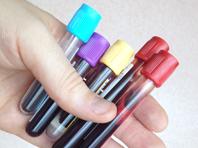
Blood Tests Will Change the Diagnosis and Treatment of Dementia
Blood tests may now diagnose Alzheimer's disease: a Japanese beta-amyloid assay showed 88% accuracy, while a British test uses neurofilament markers.

End in Sight for Deadly Bee Sting Allergy
Flinders University has successfully tested a new bee venom allergy vaccine using the Advax adjuvant — making therapy shorter and more effective.

Geneticists Shed Light on the True Causes of Anorexia
Genomic research: anorexia is a hybrid disorder linked not only to psychology but also to metabolism and physical activity genes.

Polluted Air Ages Human Lungs, Scientists Say
University of Leicester: polluted air ages lungs by 2 years and quadruples COPD risk when PM2.5 exceeds 10 micrograms per cubic meter.
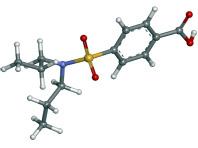
Researchers Identify Two Drugs Capable of Reducing Influenza Mortality
Hudson Institute: gout drug probenecid and arthritis medication AZ11645373 reduce influenza mortality by blocking the P2X7 ATP receptor.

Unusual Nasal Spray Improves Memory and Thinking Skills
Yale School of Medicine: an insulin nasal spray improves memory in obese teens and strengthens connections in the brain's prefrontal cortex.

Artificial Sweeteners and Diabetes
Artificial sweeteners increase the risk of obesity and type 2 diabetes and are toxic to gut bacteria — sucralose reduces their numbers by 50%.
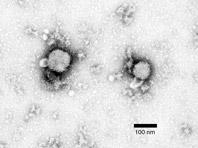
Immunologists Shed Light on Chronic Infection Development
Researchers from the Russian Academy of Sciences and other countries discovered how an infection becomes chronic: the key lies in the interaction between T-cells and dendritic cells in the spleen.

Coffee Turns Out to Be a Universal Fat-Burning Drink
University of Nottingham: coffee stimulates brown fat, which burns white fat deposits and improves blood sugar control.

Researchers Explain Why Vitamin D Is Critical for Muscles
Westmead Institute: vitamin D is critical for muscle tissue — mice lacking its receptor have weaker muscles and more body fat.